
The latest scams in 2026 at a glance
There is no complete live list of “all” scams: scammers change scripts quickly, reuse old schemes, and many incidents go unreported. This review of the latest scams in 2026 focuses on patterns highlighted in recent official advisories, with extra attention to South Africa. Each row links to our detailed guide where we have one.
To rank the latest scams in 2026, severity here means the likely harm if someone engages: Critical can involve life-changing losses, coercion or serious identity compromise; High can cause substantial financial or personal harm; Moderate usually involves smaller losses or a narrower target, though it can escalate.
Critical severity: the most harmful of the latest scams in 2026
| Scam type | How it works | Why it is critical |
|---|---|---|
| Investment and crypto scams, including “pig butchering” | A supposed romantic partner, online friend, adviser or “wrong number” contact builds trust, then steers the victim to a fake trading or crypto platform. Displayed returns are fabricated; withdrawals are blocked or require more “fees.” | Victims may be groomed over weeks or months into sending large sums. INTERPOL describes investment fraud as a major regional threat and reports that romance, investment and sextortion schemes are increasingly combined. INTERPOL 2026 assessment, CFTC advisory |
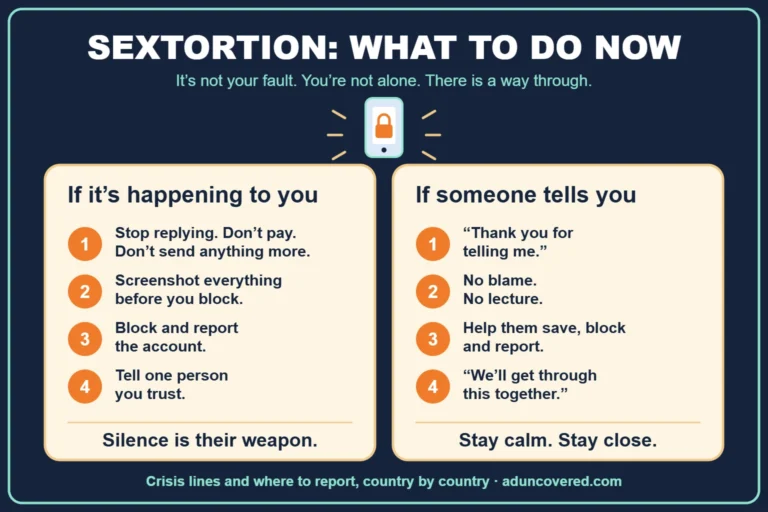
| Sextortion and intimate-image blackmail | A scammer gains or fabricates intimate material, then threatens to share it unless the target pays. It may begin on dating or social apps and can be combined with romance or investment fraud. | The harm can be financial, emotional and reputational; paying often leads to further demands. INTERPOL identifies sextortion as an increasingly integrated part of fraud schemes. INTERPOL 2026 assessment |
| Account takeover and bank impersonation | Fake bank or service-provider calls, messages or websites create panic about a compromised account, suspicious transaction or payment. The victim is pushed to disclose a password, PIN or one-time code, or to move money. | The scammer may take over accounts or authorise transfers. South African SAPS and SABRIC warn about phishing, smishing and vishing; SARS specifically says it will not ask for passwords, banking PINs or OTPs. SAPS/SABRIC warning, SARS scam guidance |
| Business email compromise and invoice redirection | Criminals impersonate an executive, supplier or lawyer, or compromise an email account, then send changed bank details or urgent payment instructions. | A single successful transfer can cause very large business losses, and funds may be moved quickly through multiple accounts. INTERPOL lists business email compromise among the prominent fraud threats. INTERPOL 2026 assessment |
| Fake police, government or “safe account” demands (see dark web data scams) | Someone impersonates law enforcement, a bank, a tax authority or another official and claims the target is under investigation or at risk. They demand payment, credentials, or that money be transferred to a supposed safe account. | The pressure and authority can cause people to bypass normal checks and transfer savings. SARS’s current scam list includes fake tax notices and summonses; INTERPOL reports impersonation fraud as a major pattern. SARS scam examples, INTERPOL 2026 assessment |
| Fake kidnapping, emergency or family impersonation using AI | A caller claims a loved one is in danger and demands immediate payment. Voice cloning or other synthetic media can make the impersonation more convincing. | The request is designed to trigger immediate action before the target can verify the story. INTERPOL flags AI-enabled impersonation, including fake kidnappings, as an emerging threat. INTERPOL 2026 assessment |
High severity: other common scams in 2026
| Scam type | How it works | Typical risk |
|---|---|---|
| AI-powered investment and impersonation scams | Fake celebrity, public-figure, adviser or relative endorsements use cloned voices, faces or convincing text. The offer leads to a fraudulent investment, payment request or information theft. | AI makes fake endorsements and messages harder to identify. INTERPOL reports that AI is being used to scale fraud and improve impersonation. INTERPOL 2026 assessment, Oregon DFR alert |
| SARS tax refund, assessment and summons phishing | An SMS or email claims there is a refund, unpaid tax, assessment, summons or urgent account action. A link leads to a fake SARS page that seeks credentials or banking details. | The current South African alerts include fake refund notifications and court or tax notices. A convincing message can expose eFiling and financial information. SARS current examples, SARS refund scam alert |
| Fake jobs, recruiters and task scams (see also parcel mule job scams) | A fake recruiter offers remote work by text or WhatsApp. The target may be asked to pay a fee, deposit a cheque, buy equipment, or put their own money into online “tasks.” | Victims can lose money and disclose identity details. South African alerts also describe fake teaching appointments that demand payment. FTC fake job alert, Western Cape Government teacher scam warning |
| Municipal disconnection, job and housing scams | A caller or WhatsApp message pretends to represent a municipality, threatens water or electricity disconnection, or offers jobs or housing in return for payment. | Urgency and essential services make people more likely to pay immediately. Cape Town’s current warning covers service-disconnection, job and housing scams; a separate alert warns against paid housing offers. City of Cape Town warning, Drakenstein disconnection alert |
| Online marketplace purchase and sale scams, including Black Friday scams | A fake seller takes an upfront payment but never delivers. A fake buyer sends a payment screenshot or link, or the meeting to exchange goods becomes a robbery. | People may lose the item, the payment, or personal property. SAPS has reported an increase in marketplace-related cases, including non-delivery and robberies. SAPS marketplace alert |
| Recovery scams | After someone has already lost money, a new “recovery expert,” lawyer, investigator or official claims they can retrieve it for an upfront fee or tax payment. | The victim is targeted a second time, often while distressed. Treat unsolicited recovery offers and requests for advance payment as high risk. |
| Fake parcel, customs or delivery-fee messages | A message claims a parcel is detained or delivery failed and asks for a small fee or personal details through a link. | The small fee may be a pretext for capturing card details or account information. SARS has warned about impostors demanding payment to release detained parcels. SARS customs scam alert |
Moderate severity, with potential to escalate
| Scam type | How it works | Typical risk |
|---|---|---|
| Wrong-number and unsolicited social messages | A stranger starts a friendly conversation, then encourages a move to another messaging platform, a romantic relationship or an investment opportunity. | It may be the opening stage of a larger investment or romance scam. The risk rises sharply if money, crypto or financial advice enters the conversation. CFTC advisory |
| Small-fee “verification,” prize or subscription messages | A text or email claims an account needs verification, a prize is waiting, or a subscription will renew unless the recipient acts. | It can steal card details or login credentials; losses may begin small but lead to account takeover. |
| Fake fines and payment links | A message claims there is an overdue traffic fine or penalty and provides a payment link. | The link may collect card or identity information. Cape Town specifically warns that scammers impersonate officials over traffic fine payments. City of Cape Town warning |
What the latest scams in 2026 have in common
The latest scams in 2026 increasingly combine familiar methods instead of arriving as a single obvious fake message: a social-media ad or text starts contact, impersonation builds trust or urgency, and payment is pushed through a transfer, crypto, a fake platform or stolen account access. AI-generated content can make the approach more persuasive, but it does not change the core warning signs: unsolicited contact, pressure to act quickly, requests for secrets or money, and instructions to move a conversation or payment off official channels. INTERPOL 2026 assessment
Practical checks against the latest scams in 2026
- Pause before acting on an urgent message. Contact the organisation or person through a number or website you find independently.
- Never share an OTP, PIN, password or recovery phrase. A legitimate bank or government agency should not ask you to provide these over a call, SMS, email or social message. SARS guidance
- Do not pay to get a job, unlock a parcel, secure a supposed safe account, or recover lost money.
- Verify investment firms and offers independently. Do not rely on links, screenshots or profit displays supplied by the person promoting the investment.
- If money or account access is at risk, contact your bank immediately using its official app, website or the number on your card. Report the incident to local police and the relevant agency. In South Africa, our guide on how to report a scam lists where to go.
Most of the latest scams in 2026 end the same way: a link, a website or a business that asks for money. Before you pay a seller, platform or “agent” you found through an ad or a message, run its link through our free Quick Check. It is a quick, shallow screen, so a clear result is not a green light. For a larger amount, a Comprehensive Report looks at the business behind the offer, with every finding linked to its source. We check the business, so you can decide.
Check before you pay
About to pay a seller or business you don’t know? Start with a Free Quick Check of the advert link. It screens for common warning signs and shows where each result came from.
If you need the seller researched, a Quick Report or Comprehensive Report brings together source-linked Search Results on the seller and the offer. Neither gives a verdict: you check the sources and decide for yourself.
This guide to the latest scams in 2026 provides general scam-awareness information, not financial or legal advice. These alerts span global patterns and recent South African examples; they do not establish how common each scam is in every country or community. Sources are linked beside the claims they support and were checked in October 2026.